


Understanding Common Types of Shower Valves
Modern showerheads and faucets are designed to allow you effective control over water flow, water pressure and temperature, so you can get the best shower possible. However, there is another, often overlooked component key to a great experience, and that's the shower valve.
Shower valves aren’t the hardware you touch every time you shower. In fact, you likely won’t touch (or even look at) yours except to install, repair or replace it. Still, there are multiple types of shower valves, and it’s important to choose the right one. Explore the different kinds of shower valves and how each works.
What Is a Shower Valve?
Your shower valve is the device inside your walls that controls water temperature, flow and pressure via an internal cartridge. It can also be called a rough-in valve.

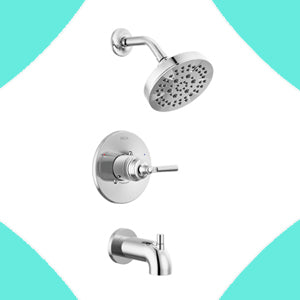
The shower faucet handle(s) are connected to the shower valve, and turning the handles adjusts the valve. If everything is working properly, the valve and cartridge will work in sync with your faucet adjustments to create the perfect temperature and water pressure for your shower.
The Most Common Types of Shower Valves
Modern shower valves come in various shapes and sizes. The type of valve you need may be determined by your plumbing setup, faucet design, desired shower experience and other factors.
1. Pressure-Balancing Valves
These valves attach to faucets that control water pressure and temperature using a single handle. You’ll often see them in stand-alone showers. If water pressure changes occur in the hot or cold water lines, the valve compensates by adjusting the flow from the other line. That way, you receive a steady water temperature without sudden changes.
2. Thermostatic Shower Valves
Thermostatic valves allow you to control water pressure and temperature separately. They’re often attached to showers with one handle to turn the water on/off and another to control the temperature. With these valves, you can maintain the same temperature while adjusting the water pressure (or vice versa). This helps avoid re-adjusting the temperature every time you turn the water on.
3. Mixing Valves and Volume Control Valves
Mixing valves combine hot and cold water to provide the right temperature, while volume control valves control the water pressure. In modern plumbing, these valves are integral to thermostatic and pressure-balancing valves. However, older plumbing may still have them as separate valves. The risk of having a mixing valve without pressure control is that a sudden drop in cold water pressure creates a risk of scalding.
4. Diverter Valves
Diverter valves are common on shower-tub combination faucets or showers with hand showers. They usually accompany the main pressure-balancing or thermostatic valve. The diverter valve redirects water from one faucet to another. You control the hot/cold and the water flow separately from the water flow diverter.
5. Transfer Valves
Like diverter valves, transfer valves move water between showerheads and faucets. However, they allow more control of the water flow. Unlike diverter valves, transfer valves do not totally shut off water flow to one faucet or another all at once.

How to Identify Your Shower Valve
Shower valves closely follow faucet designs, so it’s important to match the two. When identifying your valve type, keep a few ideas in mind:
-
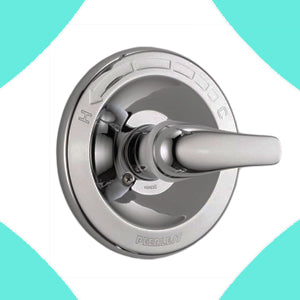
Count the number of faucet handles. One handle means you control both temperature and pressure from the same valve, and a pressure-balancing valve may be necessary. Two handles mean separate control and you may need a thermostatic valve. Three handles mean a separate handle for water temperature, pressure and the diverter control.
-
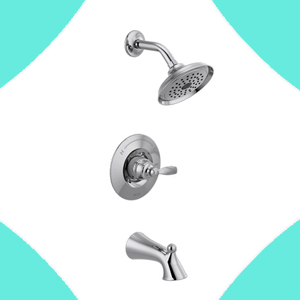
Check the number of showerheads or faucets. If you have a stand-alone shower with a single showerhead, you may not be able to adjust the flow, so a diverter valve may not be needed. However, if you have a handheld shower or a shower-tub combo, you might need a diverter valve in addition to a thermostatic or pressure control valve.
-
Identify the valve manufacturer by looking for brand names or symbols etched on the valve trim. Many major faucet manufacturers, like Delta, make valves to accompany many of their products.
Shower designs, valve types and plumbing setups vary widely, so it’s okay not to automatically know if your existing valve fits a new fixture. Many manufacturers recommend certain valves depending on the chosen fixtures, so check your product’s guidelines for specifics. You can also consult a licensed plumber for more information.
When to Replace Your Shower Valve
Certain fixtures may only work with specific valves, so you might need to replace your valve when buying a new fixture. You may also need to replace your valve if it has issues. Signs of a shower valve problem include:
-
Inconsistent water pressure
-
Irregular water temperatures
-
Low water flow
Keep in mind, you may not need to replace the full valve at this time. At times, the shower valve cartridges—which are the parts that actually manipulate flow and pressure—can wear out. You may just need to replace the cartridge. If you aren’t sure, the best thing to do is to contact a plumber. They can guide you on the most appropriate solution.

Upgrade Your Shower with Mintera
Replacing your shower faucets and valves is easy with Mintera. Our selection of quality recertified Delta, Kraus and Peerless designs makes it easy to choose a product that matches your design preferences and integrates into your existing plumbing. Shop now to elevate your space.


